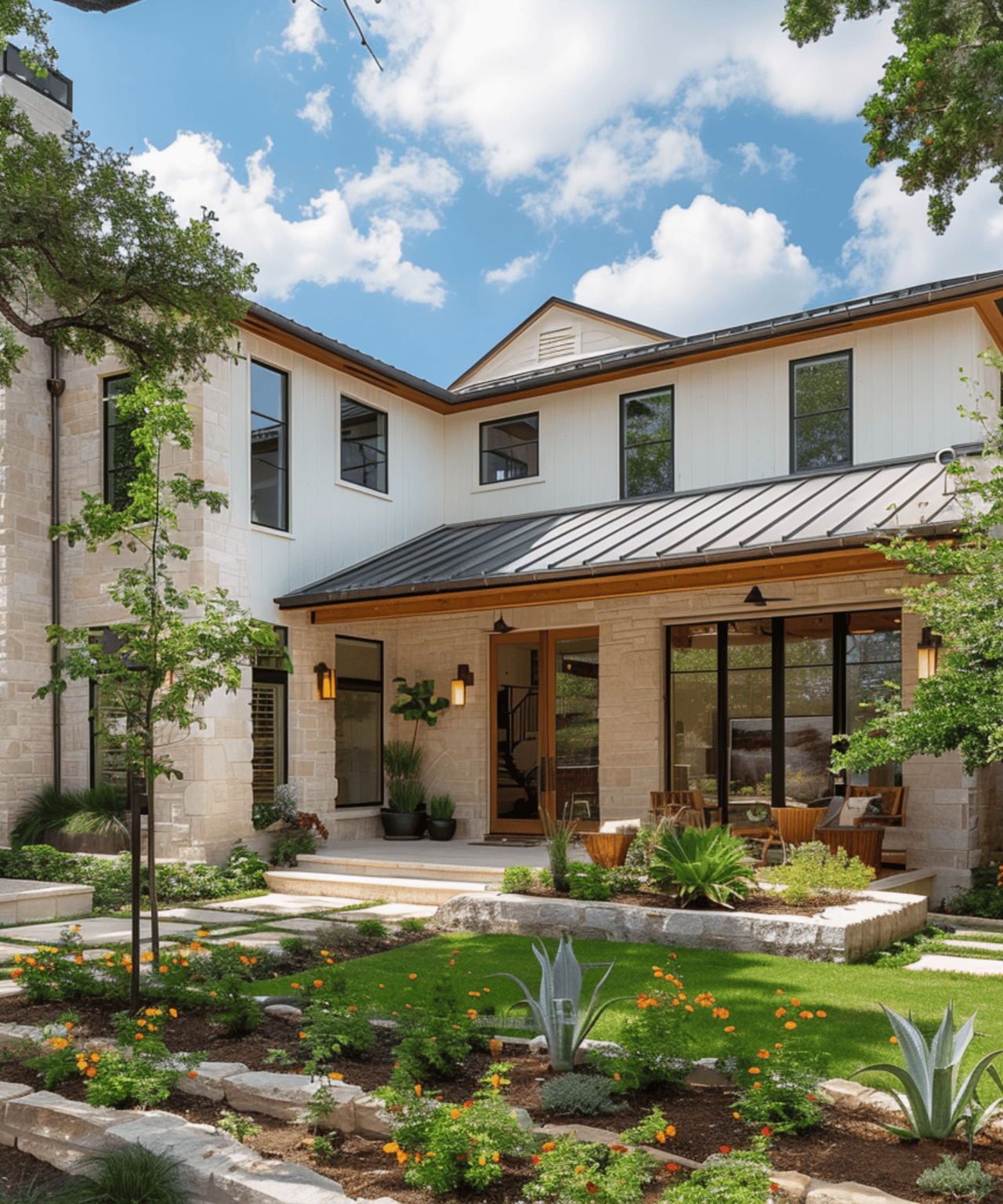
Trying to choose between Friendswood and League City? You are not alone. These two Southeast Houston communities are close to each other, but they can feel very different once you look at home prices, inventory, commute patterns, and everyday lifestyle. If you are weighing where to put down roots, this guide will help you compare the facts and narrow in on the better fit for your goals. Let’s dive in.
Start With the Big Picture
Friendswood and League City are not just two nearby places with similar maps. They differ in scale, how built-out they are, and how much room they still have to grow.
According to the U.S. Census QuickFacts for Friendswood, Friendswood has an estimated population of 41,291. The city describes itself as about 21 square miles and more than 70% developed on its city history page. That gives it a more established, compact suburban feel.
League City is much larger. The city reports a population of 118,456 and a land area of 51.26 square miles, with about 40% still undeveloped on its About League City page. In everyday terms, that often means more room for growth, more amenities spread across a larger area, and a stronger sense that parts of the city are still evolving.
Compare Home Prices
For many buyers, price is the first filter. Based on the research, Friendswood generally trends higher than League City.
Zillow’s market snapshots show a typical home value of $457,135 in Friendswood compared with $368,400 in League City, according to Zillow home value data. Redfin’s March 2026 median sale prices are closer, at $412,500 in Friendswood and $399,990 in League City, but the overall direction still points to Friendswood as the higher-priced option.
The Census data supports that same pattern. The Census QuickFacts comparison shows Friendswood with a median owner-occupied home value of $420,100 and median monthly owner costs with a mortgage of $2,751. In League City, those figures are $360,000 and $2,467.
What that means for you
If you want to stretch your budget further, League City may offer more flexibility. If you are comfortable with a higher typical price point in exchange for a more built-out setting, Friendswood may be worth the premium.
It is also important to remember that both markets have a range of price points within them. The research shows examples from about $248,000 to $780,000 in Friendswood and about $255,000 to $532,000 in League City through Zillow neighborhood snapshots. So the citywide average is helpful, but it is not the whole story.
Look at Inventory and Options
Inventory can change your experience just as much as price. If you want more choices, League City has the edge in the current snapshot.
Zillow shows 160 homes for sale in Friendswood versus 379 in League City in the research provided through Zillow market data. That is more than double the number of active listings in League City.
More inventory can mean a few practical things for you:
- More floor plans and home styles to compare
- More opportunities to stay within budget
- A better chance of finding a home that matches your timing
- More options if you are relocating and need a quicker decision window
Friendswood’s smaller inventory does not make it a bad choice. It simply means your search may feel tighter and more focused. If you already know you want a smaller, established community, that may actually be a benefit.
Think About Daily Commute Patterns
At first glance, commute times are very similar. The Census QuickFacts data lists an average commute of 28.6 minutes in Friendswood and 29.9 minutes in League City.
That means your decision will likely come down less to citywide averages and more to which roads you will use every day. Your workplace, school, client appointments, or airport access will matter more than the headline number.
Friendswood commute feel
Friendswood’s history page says the city is 3 miles west of I-45, and the research notes that many residents use FM 518, FM 528, and FM 2351 to reach the freeway through the Friendswood city history page. There is also a planned Friendswood Parkway intended to create another east-west route and provide an added evacuation option.
In practical terms, Friendswood may appeal to you if you like a more tucked-away suburban feel while still needing access to major commuting routes.
League City commute feel
League City is more directly tied to the Houston-Galveston corridor. The League City EDC connectivity page says I-45 runs through the center of the city and provides access to I-10 and US 59. The city also notes it is about 30 miles south of downtown Houston and just minutes from NASA Johnson Space Center on its official city page.
If your work or routine pulls you toward Clear Lake, NASA, the port corridor, or coastal areas, League City’s location may feel more direct.
Compare Shopping, Dining, and Weekend Plans
Where you live affects more than your mortgage. It also shapes what your normal Tuesday night or Saturday afternoon looks like.
League City has the larger retail and dining footprint. The city highlights a historic district with dining and shopping, while tourism and city resources point to boutiques, Founder’s Square, waterfront restaurants, bistros, food trucks, and more through League City At A Glance. Census retail figures reinforce that larger scale, with $1.87 billion in total retail sales in 2022 compared with $457.1 million in Friendswood.
Friendswood’s commercial core is smaller and more local in feel. The Friendswood Downtown District page describes a community retail center within a mixed-use, pedestrian-oriented environment. Its planning documents focus on sidewalks, lighting, signage, benches, and targeted improvements, which suggests a compact town-center experience rather than a large regional destination.
A simple lifestyle test
Friendswood may be a better fit if you want:
- A smaller, established suburban environment
- A more built-out feel
- A compact local retail core
League City may be a better fit if you want:
- More shopping and dining options
- A larger amenity base
- A city with a stronger growth-phase feel
Compare Parks and Recreation
If outdoor time matters to you, this category is worth a close look. Both cities offer parks and access to regional attractions, but the scale is different.
Friendswood reports 10 city parks and 266 acres of green space and nature trails through its Parks and Recreation page. That supports a neighborhood-park lifestyle where green space is part of the local fabric.
League City offers a larger recreation system. The city reports 857 park acres, 27 miles of hike-and-bike trails, 5.5 miles of waterway trails along Clear Creek, and access to activities like sailing, kayaking, and fishing through its official city resources, including League City At A Glance.
If you want a stronger waterfront identity and more recreation variety, League City stands out. If you prefer a smaller city with more of a neighborhood park setup, Friendswood may align better with your routine.
Which City Fits Your Next Move?
If you strip the comparison down to the essentials, the decision usually comes down to four things: price, inventory, scale, and lifestyle.
Friendswood often fits buyers who want a smaller, more established suburb with higher typical home values and a built-out feel. League City often fits buyers who want more active listings, a larger shopping and recreation base, and a city that still has visible room to grow.
Here is a quick side-by-side summary:
| Factor | Friendswood | League City |
|---|---|---|
| Population | 41,291 | 118,456 |
| City size | About 21 square miles | 51.26 square miles |
| Development pattern | More than 70% developed | About 40% undeveloped |
| Typical pricing trend | Generally higher | Generally lower |
| Inventory snapshot | 160 homes for sale | 379 homes for sale |
| Commute average | 28.6 minutes | 29.9 minutes |
| Retail and dining scale | Smaller, local-focused | Larger, broader amenity base |
| Recreation profile | Neighborhood parks and trails | Larger parks, trails, waterfront access |
The right answer depends on how you want your day-to-day life to feel, not just what shows up in a search filter.
A Smart Way to Decide
If you are still on the fence, try viewing both places through your real-life priorities instead of a generic ranking.
Ask yourself:
- Do you want more home options or a smaller search area?
- Is your budget better aligned with League City’s general price trend?
- Do you prefer a built-out suburban feel or a city with more visible growth?
- Will you use I-45 often, or do you prefer a location slightly removed from it?
- Do you want a compact town-center environment or more dining and waterfront recreation nearby?
When you answer those questions honestly, the better fit usually becomes clearer.
If you want help comparing homes in both areas with clear numbers and a practical plan, Brittany Burns can help you narrow your options and move forward with confidence.
FAQs
Is Friendswood more expensive than League City?
- Yes. The research provided shows Friendswood generally trending higher in typical home value, median owner-occupied value, and monthly ownership costs than League City.
Does League City have more homes for sale than Friendswood?
- Yes. The Zillow snapshot in the research shows 379 homes for sale in League City compared with 160 in Friendswood.
Are commute times similar in Friendswood and League City?
- Yes. Census data in the research shows average commute times of 28.6 minutes in Friendswood and 29.9 minutes in League City.
Is Friendswood or League City better for shopping and dining?
- League City has the larger retail and dining base based on the city and Census data in the research, while Friendswood offers a smaller, more local-focused commercial core.
Which city has more parks and outdoor recreation?
- League City has the larger recreation system, with more park acreage, hike-and-bike trails, waterway trails, and waterfront activity options, while Friendswood offers a smaller neighborhood-park profile.
How should you choose between Friendswood and League City?
- Start with your budget, commute routes, desired inventory, and preferred lifestyle. Friendswood usually appeals to buyers who want a smaller, more established setting, while League City often appeals to buyers who want more options and amenities.