If you are thinking about selling in Sugar Land, here is the truth: a basic yard sign and a few phone photos are not enough anymore. Buyers usually start online, compare homes fast, and decide within seconds whether a listing is worth a closer look. If you want to understand how top agents market Sugar Land homes today, this guide will show you what matters most, what is just extra noise, and how a smart plan can help your home compete. Let’s dive in.
Sugar Land Marketing Is Not One-Size-Fits-All
Sugar Land is not moving as one uniform market, which is why strong agents do not use the same marketing plan for every listing. Recent market snapshots show different median prices, days on market, and sale-to-list patterns depending on the source and time frame. The big takeaway is simple: pricing and presentation still matter.
Subarea data makes that even clearer. Sugar Land East, West, and South have shown different inventory levels, days on market, and median sold prices. That means a home in one part of Sugar Land may need a different pricing story, launch timeline, and marketing angle than a similar home in another subarea.
A top agent should explain how your specific neighborhood and price band are performing, not just quote one citywide number. That kind of precision helps shape everything from the listing price to the photos to the timing of your public launch.
Online First Impressions Matter Most
Today’s buyers are digital-first. Buyer research shows 41% of buyers first looked online for homes, 72% used a mobile or tablet device, and 52% found the home they purchased on the internet. That means most buyers will form an opinion about your home before they ever step through the front door.
This is why top agents focus heavily on how your home looks and reads online. The goal is to make it easy for buyers to understand the layout, condition, and value right away. If buyers feel confused, underwhelmed, or unsure, they often move on to the next listing.
In practical terms, your online presentation should answer basic questions fast. Buyers want to see the home clearly, understand the floor plan, and know what makes it worth scheduling a showing.
Photos Lead the Entire Strategy
When buyers search online, photos are still the most useful feature. Research shows buyers rank photos and detailed property information above floor plans, virtual tours, and videos. For many buyers under age 58, photos are the top feature by a wide margin.
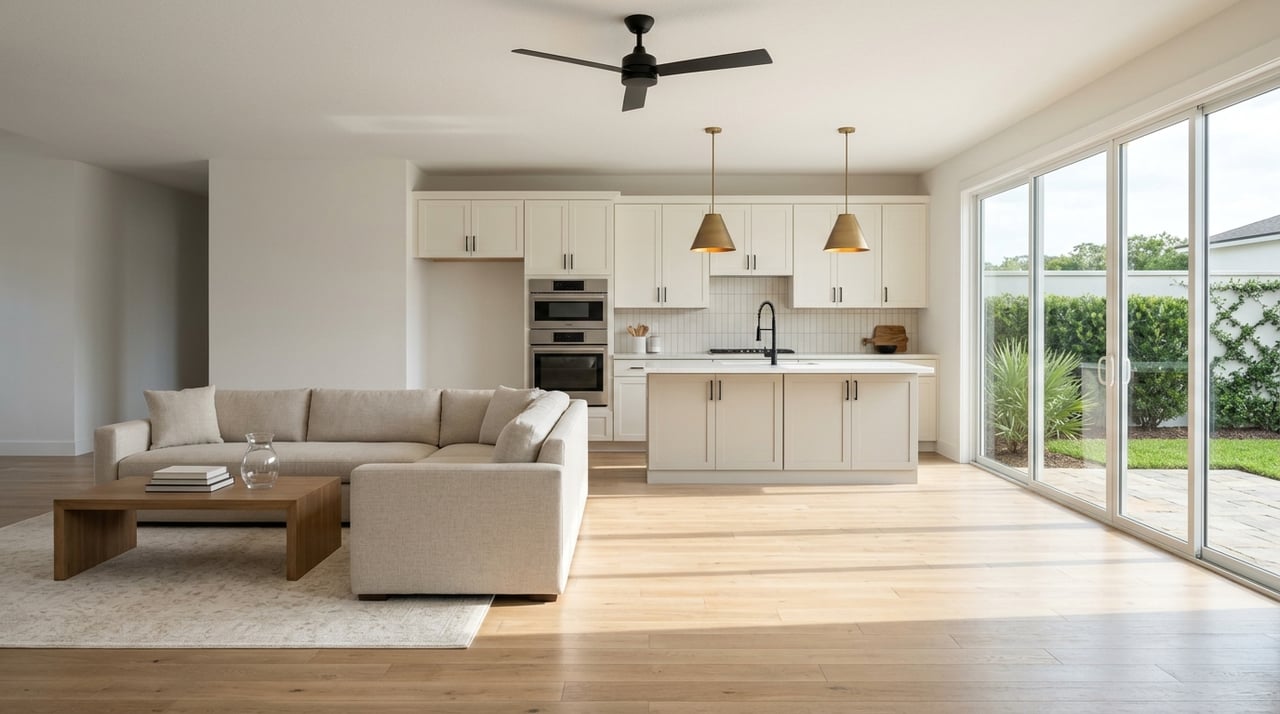
That is why top agents treat listing photography as a core marketing tool, not an afterthought. Clean, bright, well-composed images help buyers understand the home and remember it later when they are comparing several options.
Strong photos also support your price position. If your home looks polished and easy to evaluate, buyers are more likely to see its value. If the photos are dark, cluttered, or incomplete, your home may feel less competitive before a showing even happens.
Detailed Listings Help Buyers Say Yes
A great listing does more than post photos. It also gives buyers the details they want, in a format that is easy to scan. Research shows detailed property information and floor plans are among the most useful online features for buyers.
That means top agents build listings that answer real questions. They explain layout, updates, lot features, room flow, and practical highlights in a clear way. They do not rely on vague phrases or hype.
In a market like Sugar Land, this matters because buyers are comparing homes carefully. A detailed, accurate listing can reduce uncertainty and make your home easier to shortlist.
Staging Supports Marketing, Not Magic
Many sellers ask whether staging is worth it. The honest answer is that staging can help, but it is not a guaranteed shortcut to a higher price. Its biggest value is often in making the home easier to photograph, easier to show, and easier to remember.
Recent research shows sellers’ agents see photos, video, and physical staging as important tools, with the living room, primary bedroom, dining room, and kitchen being the most commonly staged areas. Common prep recommendations include decluttering, whole-home cleaning, and curb appeal improvements.
The smartest way to think about staging is as a presentation strategy. It can help buyers connect with the space and help your marketing assets look stronger online. But a trustworthy agent should frame staging as part of the plan, not as a promise.
Prep Steps Top Agents Recommend
- Declutter surfaces, closets, and visible storage areas
- Complete a whole-home cleaning
- Improve curb appeal before photos
- Simplify furniture layout to show room size and flow
- Prioritize key spaces like the living room, kitchen, dining room, and primary bedroom
MLS Exposure Still Drives the Launch
Even with all the attention on social media, the MLS is still the foundation of a strong launch. In the Houston area, HAR’s MLS helps distribute listings to HAR.com and major real estate websites. That broad exposure is one reason the initial listing setup matters so much.
Top agents know the public debut should happen only when the home is truly ready. HAR also allows a Coming Soon status for homes that are under listing agreement but not yet ready for showings or public display because of repairs, photos, or staging. That window can last up to 21 days.
Used well, that prep period gives you time to get the home market-ready before buyers see it. Used poorly, it can waste momentum. The key is having a clear launch plan rather than rushing to market half-prepared.
Social Media Works Best as a Support Tool
Social media can absolutely help market a Sugar Land home, but it works best as part of a bigger system. Top agents use it to increase awareness, create more touchpoints, and make it easy for buyers to ask questions or request showings.
Platforms like Facebook and Instagram now use machine learning to place ads across feeds, stories, reels, messenger placements, and more. That can improve delivery, but it does not replace the basics. A polished listing, strong pricing, and clear creative still do the heavy lifting.
For housing ads, compliance matters too. Ads must be built in a fair-housing-safe way, using neutral creative and broad distribution rather than exclusionary audience design. In other words, smart agents use technology to expand reach responsibly, not to cut corners.
AI Can Improve Reach, But It Cannot Fix Weak Marketing
AI is a useful tool, but it is not a substitute for strategy. It can help optimize placements, delivery, and ad learning. It cannot make poor photos look premium or rescue a listing that is overpriced for its submarket.
This is an important distinction for sellers. If an agent talks about AI, ask how they use it within a larger marketing plan. The best answer should include pricing strategy, listing prep, MLS distribution, strong visuals, compliant advertising, and buyer follow-up.
A modern marketing plan should feel transparent and practical. It should show you how each tool supports the goal of getting your home seen, understood, and seriously considered.
Open Houses Still Have a Role
Open houses are still useful, but they are not the main engine behind most sales. Buyer research shows that 50% of buyers used open houses as an information source, yet only 4% said a yard sign or open-house sign was the source of the home they purchased.
That tells you something important. Open houses can create extra exposure and give interested buyers another way to experience the home, but they work best after your online marketing has already done its job.
Top agents usually treat open houses as one supporting tactic. They are not a replacement for professional photos, a strong listing description, and broad digital visibility.
Showings Should Be Easy and Organized
Buyers often search for weeks and compare several homes before making a decision. Research shows buyers typically searched for 10 weeks and viewed a median of seven homes. Many also expected to view more homes virtually than in person.
That means your home needs to stay presentation-ready beyond launch weekend. It also means showing logistics matter. A top agent should make it easy for buyers and their agents to schedule, understand availability, and get the information they need quickly.
For remote and relocation buyers, this becomes even more important. A well-organized showing plan helps your marketing continue working after the listing goes live.
Texas Advertising Rules Matter Too
In Texas, most modern listing promotion counts as advertising. That includes social media, email, text messages, signs, brochures, and internet marketing. Strong agents understand that compliance is part of professionalism, not an optional extra.
Texas rules also require the license holder or team name and the broker’s name to appear in a readily noticeable location, with specific size standards for the broker name. Agents also need to be accurate about sold claims and cannot present properties as their own success stories if they did not actually work those transactions.
For you as a seller, this matters because ethical marketing protects your listing and your trust. A polished campaign should not just look good. It should also be accurate, transparent, and compliant.
What Sellers Should Ask an Agent
If you are interviewing agents in Sugar Land, focus on the plan behind the promise. Ask how they will tailor the strategy to your subarea, price band, and timeline instead of offering a generic checklist.
Here are a few smart questions to ask:
- How will you price my home based on my part of Sugar Land?
- What prep steps do you recommend before photos and showings?
- Will the listing include professional photos, detailed remarks, and a floor plan?
- How will you use HAR and syndication in the launch?
- How do social media and AI fit into your overall strategy?
- What role do open houses play in your marketing plan?
- How will you keep the advertising compliant and accurate?
A strong agent should be able to answer these clearly, without hype. You want a strategy that is measurable, modern, and grounded in how buyers actually shop today.
The best Sugar Land marketing plans are not flashy for the sake of being flashy. They are thoughtful, neighborhood-aware, visually strong, and built around clear buyer behavior. If you want a selling plan that combines transparent guidance with modern marketing, Brittany Burns can help you build the right strategy for your home.
FAQs
How do top agents market Sugar Land homes differently?
- Top agents usually tailor pricing, launch timing, and marketing assets to the specific Sugar Land subarea and price band rather than using one generic citywide approach.
Are professional photos more important than video for a Sugar Land listing?
- Yes. Buyer research shows photos are the most useful online feature, with detailed property information and floor plans also ranking ahead of video.
Is staging worth it when selling a home in Sugar Land?
- Staging can be helpful as a presentation tool because it often makes the home easier to photograph, show, and remember, but it should not be treated as a guaranteed price boost.
Do open houses sell Sugar Land homes by themselves?
- Usually no. Open houses can support exposure, but most buyers discover homes through online search and MLS-driven distribution.
Why does HAR matter when marketing a Sugar Land home?
- HAR’s MLS is a key launch platform because it helps distribute listings to HAR.com and other major real estate websites, which expands visibility early in the marketing cycle.
Can AI replace a full marketing plan for a Sugar Land home sale?
- No. AI can help with ad delivery and placement optimization, but it cannot replace good pricing, strong visuals, accurate listing details, and compliant advertising.