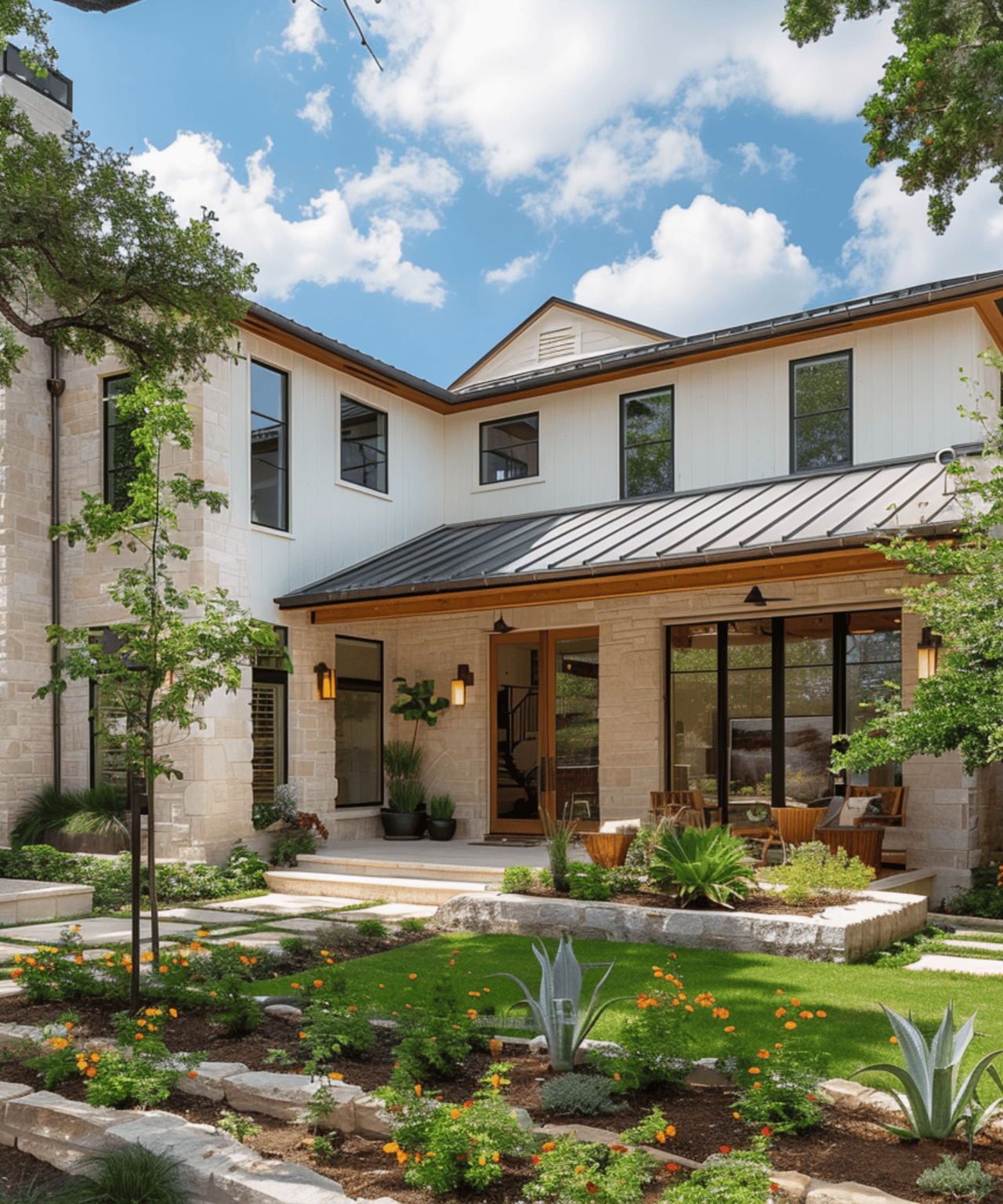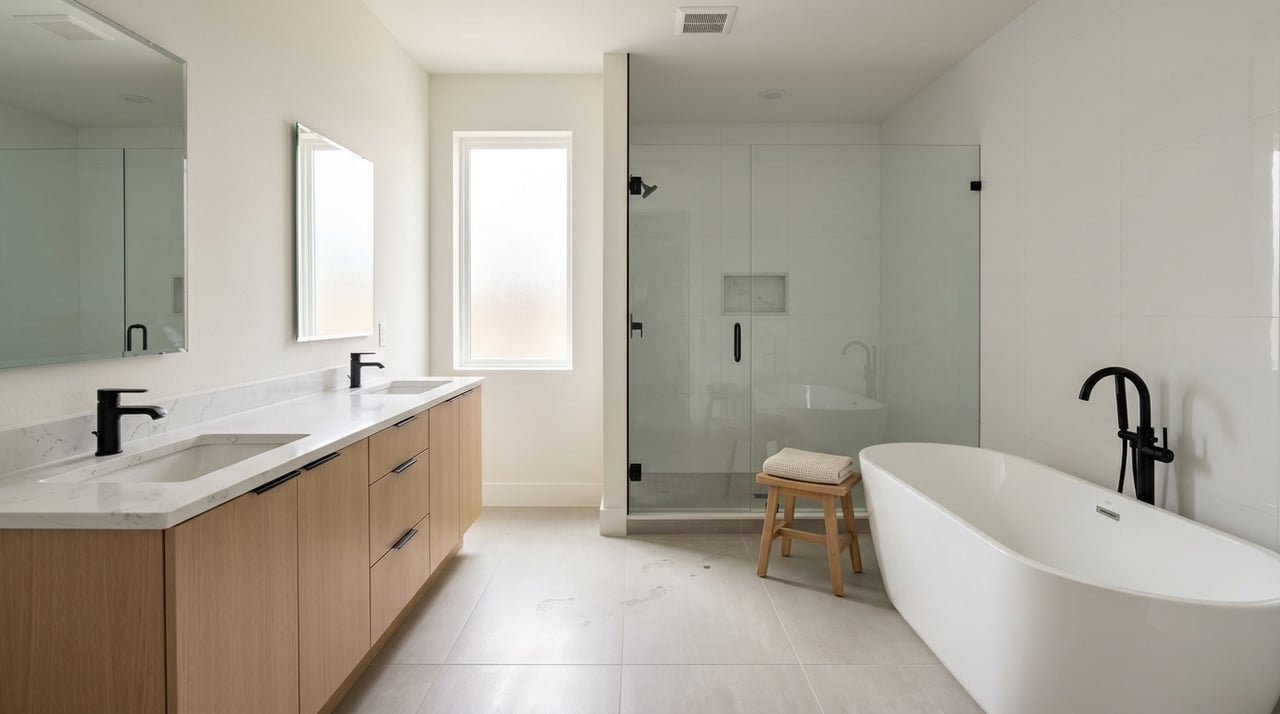
Buying in League City can feel like a fork in the road: do you choose a brand-new home with fresh finishes and builder warranties, or go with a resale home you can walk through exactly as it sits today? If you are trying to balance budget, timing, repairs, and long-term costs, that choice can get complicated fast. The good news is that each option has clear strengths, and the right fit depends on how you want to live, move, and plan ahead. Let’s dive in.
League City Market Snapshot
League City was still a seller’s market in April 2026, with 2.9 months of inventory, an average of 48 days on market, and a median sold price of $412,841. That tells you buyers still face some competition, even with active inventory available.
New construction is also a meaningful part of the local market. HAR listed 185 new-construction homes for sale in League City, and current asking prices ranged from about $317,990 to $1,249,950. That wide spread matters because new construction is not just one price point or one style of home.
New Construction Benefits
Warranty Coverage Adds Peace of Mind
One of the biggest reasons buyers choose new construction is warranty protection. Most newly built homes come with builder warranty coverage, often including one year for workmanship and materials, two years for major systems like HVAC, plumbing, and electrical, and sometimes 10 years for major structural defects.
That does not mean a new home is risk-free, but it can reduce your near-term repair exposure. If you want more predictability in the first few years of ownership, this can be a major advantage.
Lower Immediate Maintenance Needs
Because the home, systems, and materials are new, you are less likely to face the same repair questions that often come up with older properties. That can be especially appealing if you are a first-time buyer or relocating and want fewer moving parts right after closing.
Instead of budgeting right away for an aging roof, older water heater, or worn flooring, you may be focused more on move-in costs, upgrades, and furnishings. For many buyers, that feels simpler and easier to manage.
Incentives May Shape the Deal
In League City, some builder listings advertise contributions toward buyer expenses. In practice, builders often negotiate through incentives like closing-cost help or rate buydowns rather than through straightforward price cuts.
That means the best value is not always just the list price. You may want to compare the total package, including incentives, included features, and upgrade costs.
New Construction Tradeoffs
Build Timelines Can Affect Your Plans
The biggest tradeoff with new construction is timing. Unlike a resale home, a newly built property may still be under construction, waiting on inspections, or moving toward final completion.
That matters if you need to move by a certain date, coordinate a lease ending, or line up the sale of your current home. A projected completion date is helpful, but you should also ask what milestones still need to happen before closing.
Permits and Inspections Matter in League City
League City requires permits before construction starts and periodic inspections before work is covered up. Residential submittals may require items such as a survey, site or plot plan, mechanical and electrical information, energy compliance certification, architectural plans, and an engineering package.
In other words, there is a real local process behind the scenes. If you are buying a new build, it is smart to ask which city permits and inspections are complete and whether anything is still pending.
Certificate of Occupancy Is a Key Step
Before a newly built home closes, you should ask whether it will receive a certificate of occupancy. This document indicates the home complies with building-code requirements and is suitable for occupancy.
That step is one reason new construction can feel more procedural than resale. It is not just about loving the floor plan. It is also about making sure the property is fully ready for closing and move-in.
Floodplain Rules Can Change the Equation
Floodplain Status Matters for New Builds
Floodplain rules are especially important in League City. The city requires a permit for all development in the floodplain, and new construction or substantial improvements permitted on or after October 1, 2018 must meet elevation standards.
Specifically, the lowest floor must be elevated 24 inches above the higher of the base flood elevation, the nearest street crown, or the highest adjacent grade, and at least 3 inches above the nearest 500-year flood level. The city says these higher standards can lower flood-insurance premiums, though they do not eliminate flood risk.
Ask for the Elevation Certificate
If a lot is in a floodplain, ask whether the builder can provide an elevation certificate. This is one of the most practical documents you can review because it helps you understand how the home was built in relation to local floodplain standards.
Floodplain status can affect more than insurance. It can influence your monthly carrying costs and how you compare one property to another.
Resale Home Benefits
You Can Inspect the Exact Home
A resale home gives you something a new build cannot always offer: the ability to evaluate the exact property you will own in its current condition. You can walk through the finished house, look at the lot, assess the layout, and get a better sense of wear, updates, and functionality.
That can make the decision feel more concrete. You are not relying on plans, projected timelines, or unfinished details.
Closing Is Often Faster
Resale purchases often skip the construction-completion phase that new homes require. That is one reason they are often the faster path to occupancy.
If your move has a tight timeline, that can be a major benefit. It may also be easier to coordinate a job transfer, school-year timing, or the sale of your current home when the property is already complete.
Negotiation Often Centers on Repairs
With resale, negotiation is often shaped by the inspection period. A home inspection can help you identify major issues early, and depending on the contract, you may be able to cancel without penalty if the inspection results are not acceptable.
In many cases, the conversation shifts to repair requests, credits, or seller-paid concessions. That creates a different kind of opportunity than new construction, where negotiations are often incentive-driven.
Resale Home Tradeoffs
Condition Risk Is Higher
The main tradeoff with resale is condition. Some existing homes may have only minor deferred maintenance, while others may raise more serious concerns.
Examples of smaller issues can include worn flooring, cracked window glass, missing handrails, or minor plumbing leaks. More serious concerns can include foundation settlement, water seepage, active roof leaks, worn roof shingles, or inadequate electrical service and plumbing fixtures.
Your Near-Term Budget May Need Flexibility
With a resale home, your monthly payment is only part of the picture. You may also need funds for repairs, updates, or maintenance in the first year.
That does not make resale the wrong choice. It simply means your budget should reflect the real condition of the home, not just the purchase price.
Taxes, Appraisal, and True Monthly Cost
In League City, the sticker price is not the whole story. Texas property taxes are based on January 1 market value, with appraised-value notices typically issued in the spring.
For new construction, the completed home and its improvements can affect valuation, not just the land price. That means buyers should think beyond the initial contract number and ask how taxes, insurance, floodplain status, and near-term repairs may affect the true monthly cost.
HOA Rules Are a Separate Check
League City makes an important distinction between city rules and HOA rules. The city states that deed restrictions are enforced by HOAs, not by the city.
That means you should confirm HOA fees, architectural rules, and exterior-use restrictions before you assume you can make certain changes later. This applies whether you are buying new construction or a resale home.
Questions to Ask Before You Buy
Questions to Ask a Builder
- What is included in the base price, and what counts as an upgrade?
- What is the projected completion date, and what milestones remain?
- Which city permits and inspections are already complete?
- Will the home receive a certificate of occupancy before closing?
- Is the lot in a floodplain, and can you provide an elevation certificate?
- What warranty coverage is included for workmanship, systems, and structure?
- How are warranty claims handled?
- Are buyer incentives, closing-cost credits, or rate buydowns available?
- Are any items postponed at closing?
Questions to Ask on a Resale Home
- How old are the roof, HVAC system, water heater, and major appliances?
- Has the seller shared any inspection reports, repair history, or disclosure statements?
- Are there known foundation, drainage, flood, or water-intrusion issues?
- What repairs or credits is the seller willing to consider?
- Are there HOA rules or fees that affect the property?
- What is the expected utility cost and insurance history, if available?
- How long has the home been on the market, and has the price been reduced?
Which Option Fits You Best?
If you value warranty coverage, lower immediate maintenance, and are comfortable waiting through the final construction process, new construction may fit you best. It can be a strong option if predictability in the early years matters more than speed.
If you want to move sooner, inspect the exact house before you buy, and negotiate based on condition, a resale home may be the better path. It often offers a faster timeline, but you need to be ready for maintenance conversations and inspection-based decisions.
The smartest choice usually comes down to your timeline, budget flexibility, and tolerance for uncertainty. If you compare both options through the lens of monthly cost, floodplain status, condition, and closing timeline, you will make a much more confident decision.
If you want help comparing new construction and resale homes in League City with clear numbers and a practical game plan, Brittany Burns can help you sort through the tradeoffs and choose the option that fits your goals.
FAQs
What are the main benefits of new construction homes in League City?
- New construction homes in League City often offer builder warranty coverage, lower immediate maintenance needs, and possible builder incentives such as closing-cost help or rate buydowns.
What are the main benefits of resale homes in League City?
- Resale homes in League City let you inspect the exact property before you buy, often provide a faster path to closing, and may offer room to negotiate repairs or seller credits after inspection.
Why do floodplain rules matter when buying a home in League City?
- Floodplain rules matter because they can affect permitting, elevation requirements, insurance costs, and the true monthly cost of owning the home.
What should you ask a builder before buying a new home in League City?
- You should ask about the base price versus upgrades, completion timeline, permit and inspection status, certificate of occupancy, floodplain status, elevation certificate, warranty coverage, and available incentives.
What should you ask about a resale home in League City?
- You should ask about the age of major systems, repair history, disclosure statements, known water or foundation issues, HOA rules and fees, possible seller credits, and how long the home has been on the market.
Are HOA rules in League City the same as city rules?
- No. League City states that deed restrictions are enforced by HOAs, not by the city, so you should review HOA requirements separately before buying.