If you want to sell your Friendswood home for a strong price, your prep work matters more than ever. Buyers notice condition quickly, and in a market where homes average about 42 days on market and often sell around 2% below list price, the homes that feel clean, cared for, and well-presented usually have the best shot at protecting their value. The good news is that getting market-ready does not have to mean a full remodel. With the right plan, you can focus on the updates that count most and launch with confidence. Let’s dive in.
Why preparation matters in Friendswood
Friendswood is an active market, but it is also price-sensitive. Recent data shows a median sale price around $413,000, with homes taking an average of 42 days to sell. That means first impressions still carry real weight.
When your home hits the market, buyers compare it to everything else they have seen online and in person. If your home looks clean, bright, and well-maintained from day one, you put yourself in a better position to attract interest and reduce the odds of quick price-cut conversations.
Focus on high-impact prep first
You do not need to renovate every room before you sell. In most cases, your best return comes from handling visible maintenance, deep cleaning, decluttering, and simple presentation updates that help buyers see the home clearly.
A smart prep plan usually starts with the basics:
- Address obvious repair items
- Clean the home thoroughly
- Reduce clutter and extra furniture
- Refresh curb appeal
- Gather key documents before list day
This approach supports a smoother launch and helps buyers focus on the home itself instead of distractions.
Start with repairs and maintenance
Before you think about photos or showings, walk through your home with a critical eye. Look for the items buyers tend to notice right away, like damaged trim, burned-out light bulbs, stained carpet, chipped paint, sticky doors, or neglected exterior areas.
A pre-listing inspection is not required, but it can help you spot issues before a buyer does. If you already know there may be concerns with major systems like the roof or HVAC, getting estimates early can help you decide whether to repair the item, disclose it clearly, or plan for a credit during negotiations.
The goal is not perfection. The goal is to remove the problems that make buyers wonder what else has been overlooked.
Clean like buyers are inspecting everything
They usually are. A deep clean is one of the most affordable ways to improve how your home shows, both online and in person.
Pay close attention to these areas:
- Windows
- Carpets and flooring
- Walls and baseboards
- Light fixtures
- Kitchen surfaces
- Bathrooms
Clean homes feel better maintained. Even if your finishes are not brand new, a spotless home can make the entire property feel more move-in ready.
Declutter to make space feel bigger
Decluttering is not just about tidiness. It helps buyers understand the layout, notice storage, and picture their own belongings in the home.
Start by removing anything that makes a room feel crowded or too personal. That can include excess furniture, stacks of papers, overloaded shelves, countertop appliances, and personal collections.
If you are still living in the home while selling, aim for a simplified version of everyday living. You do not need to erase your life completely, but you do want each room to feel open, calm, and easy to walk through.
Prioritize curb appeal before showings begin
Your exterior sets the tone before buyers ever step inside. Small updates outside can shape how buyers feel about the rest of the property.
Focus on practical improvements like:
- Mowing and edging the lawn
- Trimming landscaping
- Clearing leaves or debris
- Refreshing the front entrance
- Touching up worn paint where needed
These steps help create a cared-for first impression. In a market where presentation matters, the exterior should signal that the home has been maintained.
Gather disclosures and records early
In Texas, sellers need to complete the TREC Seller’s Disclosure Notice for known material defects and physical-condition issues. That makes early preparation especially important, because you do not want to be scrambling for paperwork once your listing is ready to go live.
Before list day, gather documents such as:
- Seller disclosure information
- Records of past repairs or renovations
- Permit history for alterations or additions
- HOA or maintenance fee information, if applicable
- Appliance and system manuals
- Warranties, if available
If your home was built before 1978, you will also need lead-based paint disclosure paperwork.
Check permits for past work
This is one step many sellers overlook. Friendswood’s Community Development department handles building permits, inspections, and related records, so it is wise to verify that past work had the right approvals before your home is listed.
If you have had additions, electrical updates, plumbing changes, patio enclosures, or other major work done over the years, check your records now. If something is missing, it is much easier to deal with before a buyer asks questions than during escrow.
Be ready for flood-related questions
Flood questions can come up often in the Greater Houston area, and Friendswood sellers should be prepared. FEMA flood maps are used to review flood-risk information and can also affect lender insurance requirements.
If flood concerns may apply to your property, it helps to have relevant information ready. That may include insurance history, prior mitigation work, or other documentation that gives buyers a clearer picture of the property.
Stage the rooms buyers notice most
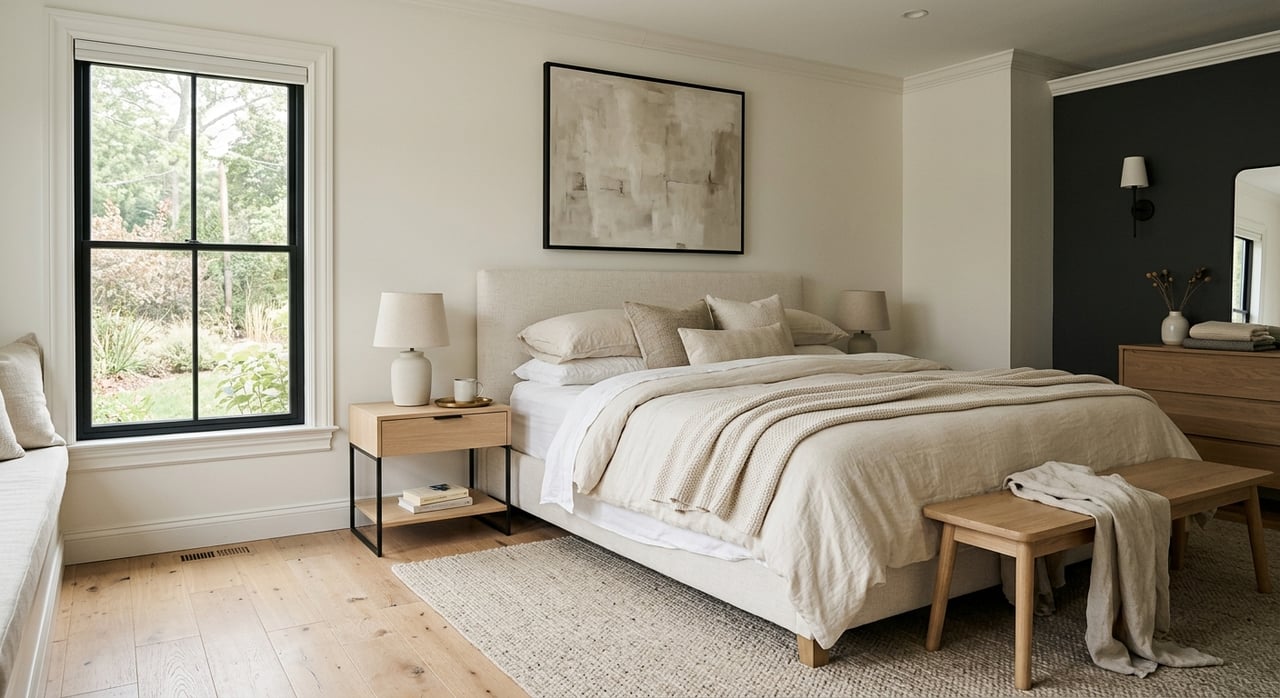
You do not need to stage every square foot of your home to make an impact. Buyer behavior data shows that staging helps people visualize a home more easily, and the rooms that get the most attention are usually the living room, primary bedroom, and dining room.
That means your effort should go where it counts most. Focus first on the spaces that drive the overall feel of the home, along with the exterior and entry.
A few practical staging moves can go a long way:
- Arrange furniture to improve flow
- Use light, clean bedding and towels
- Clear off kitchen and bathroom counters
- Remove extra decor that makes rooms feel busy
- Add simple touches that make the home feel bright and inviting
The goal is not to make your home look overly designed. It is to make it easy for buyers to picture living there.
Plan your marketing assets in the right order
Today, your listing usually makes its first impression online. Buyer data shows that photos are the most useful website feature, followed closely by detailed property information. Floor plans, virtual tours, and video also matter to a large share of buyers.
That is why your launch should be treated like a full presentation, not a basic upload. The strongest sequence is usually to finish repairs and cleaning first, stage key areas second, and then schedule photography, floor plans, video, and virtual tours last.
If you book media too early, you risk capturing rooms that are not fully ready. If you wait until everything looks its best, your online debut has a much better chance of standing out.
Use a showing checklist every time
Once your home is active, day-of-showing details matter. Small touches can make your home feel fresher, brighter, and more cared for when buyers walk in.
Before a showing, try to:
- Make all beds
- Clear kitchen and bathroom counters
- Wipe down surfaces
- Put out clean towels
- Open window coverings
- Turn on lights
- Remove pets when possible
- Secure valuables
- Neutralize strong food odors
These steps may sound simple, but they help create a cleaner, calmer experience for buyers.
Avoid over-improving before you sell
One of the biggest mistakes sellers make is spending too much on upgrades that do not meaningfully improve buyer response. You do not need to remodel your home just to list it.
Instead, think in terms of strategy. If a major item needs attention, get an estimate and weigh the options carefully. In many cases, it makes more sense to repair selectively, disclose clearly, or account for the issue in pricing than to start a large project right before going to market.
Think of prep as leverage
Preparation is not just about making your home look nice. It is about protecting your negotiating position.
National seller data shows that many sellers reduce their asking price at least once, and the median final sales price aligns with the final listing price. That makes your initial presentation even more important. When your home looks polished, complete, and market-ready from the start, you give yourself a better chance to launch strong and hold buyer interest.
A simple Friendswood prep timeline
If you want a straightforward way to approach the process, here is a practical order of operations:
- Walk the property and identify repair needs
- Decide whether a pre-listing inspection makes sense
- Gather disclosure documents, permits, manuals, and HOA information
- Complete repairs and maintenance items
- Deep clean the entire home
- Declutter and simplify each room
- Improve curb appeal and entry presentation
- Stage the most important spaces
- Schedule photos, floor plans, video, and virtual tours
- Use a showing checklist once the home is active
This kind of structured plan can make the process feel much less overwhelming.
Selling a home in Friendswood does not have to mean guessing your way through repairs, paperwork, and launch timing. When you focus on the updates buyers actually notice, prepare your documents early, and build a clean digital presentation, you give your home the best chance to stand out for the right reasons. If you want a clear, step-by-step plan tailored to your property, Brittany Burns can help you prepare, position, and launch with confidence.
FAQs
What should I fix before listing a home in Friendswood?
- Focus first on visible repair items, major maintenance concerns, and anything that could raise questions about how well the home has been cared for.
Do I need a pre-listing inspection before selling a Friendswood home?
- No. A pre-listing inspection is optional, but it can help you identify issues early and make better repair, disclosure, or pricing decisions.
What documents should I prepare before listing a Friendswood home?
- Have your seller disclosure information, permit records, HOA or assessment details, appliance and system manuals, warranties if available, and lead-based paint paperwork if the home was built before 1978.
How much staging does a Friendswood home really need?
- Usually, the best results come from focusing on the living room, primary bedroom, dining room, and the exterior or entry rather than staging every room in the home.
Why are professional photos and virtual tours important for a Friendswood listing?
- Buyer data shows that photos are the most useful online feature, and many buyers also rely on detailed property information, floor plans, virtual tours, and videos when comparing homes.
Should I remodel my Friendswood home before selling?
- Not necessarily. In many cases, cleaning, repairs, decluttering, curb appeal, and strategic staging are more important than a major remodel right before listing.